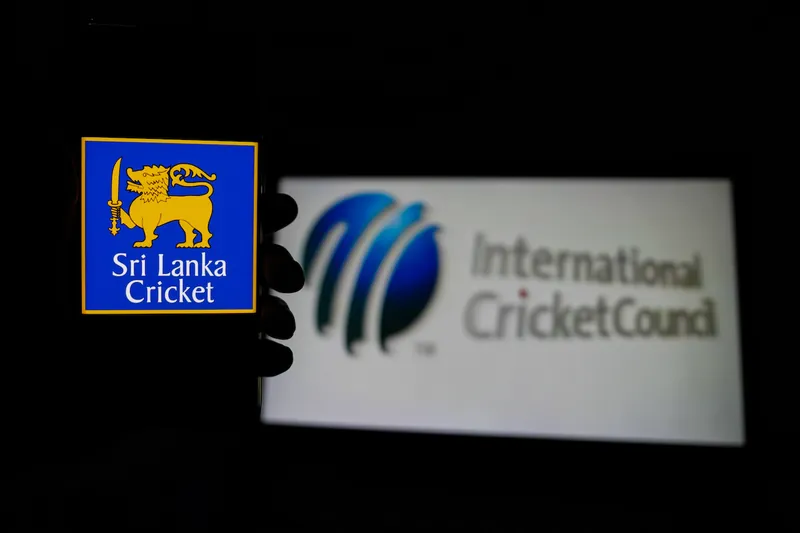
Sri Lanka Cricket (SLC) expressed relief as the International Cricket Council (ICC) opted for a mild response regarding the formation of a government-appointed Transformation Committee. This decision marks a departure from the ICC's previous strict stance on government interference in cricket board matters.
The ICC's decision not to impose sanctions this time comes as a surprise to many, given its history of taking a hard line against government involvement in cricket administration. The Transformation Committee, appointed by the Sri Lankan government, aims to implement reforms within the SLC, which has faced criticism for its management and governance.
In previous instances, the ICC has been quick to penalize cricket boards for similar government interventions, often citing the need to maintain the sport's autonomy. However, the current approach suggests a possible shift in the ICC's policy or an acknowledgment of the unique challenges faced by SLC.
The SLC has welcomed the ICC's stance, viewing it as an opportunity to work collaboratively with the government to enhance the sport's administration in Sri Lanka. The board is hopeful that these reforms will lead to improved performance and governance.
The Transformation Committee's formation is part of a broader effort by the Sri Lankan government to address longstanding issues within the country's cricket administration. The committee is expected to propose significant changes aimed at revitalizing the sport.
Background
The ICC has historically maintained a strict policy against government interference in cricket boards to preserve the sport's autonomy. However, the unique challenges faced by Sri Lanka Cricket have prompted a more lenient approach this time.
As the SLC navigates this period of potential change, stakeholders will be watching closely to see if the reforms lead to tangible improvements in the sport's management and performance. The ICC's response may also influence how other cricket boards handle government interactions in the future.