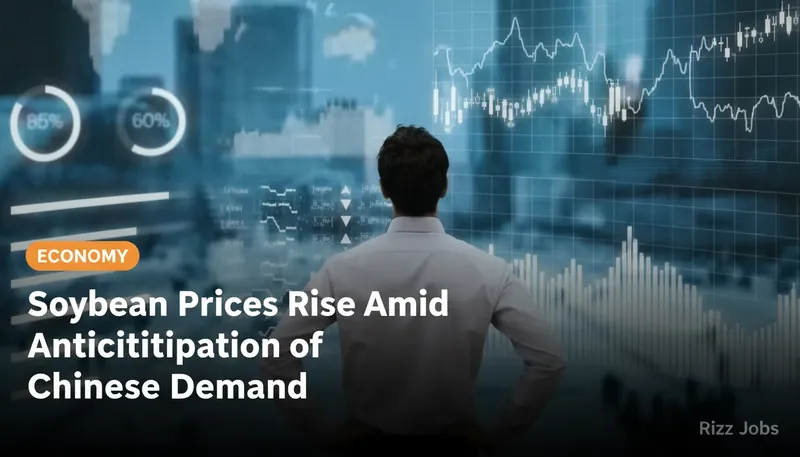
In a volatile session for the global grain markets, soybean prices have shown a notable upward trend, driven by renewed optimism over potential purchases by China. The world's largest soybean importer, China, has been a key player in influencing global commodity prices, and any indication of increased buying activity from the country tends to send ripples across the market. This development comes at a time when the agricultural sector is closely monitoring trade dynamics, particularly between the US and China, as these two economic giants navigate their complex trade relationship.
The recent uptick in soybean prices can be attributed to speculation that China might ramp up its imports to replenish its reserves and meet domestic demand. This is particularly significant given the backdrop of fluctuating trade policies and tariffs that have historically impacted the flow of agricultural goods. For Indian investors and stakeholders in the agribusiness sector, this shift highlights the importance of monitoring international trade patterns and their potential impact on domestic markets.
While soybeans have shown strength, other grains have experienced choppy trading. The volatility in grain prices underscores the broader uncertainties in the global agricultural market, influenced by factors such as weather conditions, geopolitical tensions, and currency fluctuations. For Indian farmers and agribusinesses, understanding these global cues is crucial for strategic planning and risk management.
As the global market dynamics continue to evolve, Indian investors should keep a close watch on developments in the US-China trade talks, as these could significantly impact commodity prices and, by extension, the Indian agricultural sector. The potential for increased Chinese purchases could also present opportunities for Indian exporters, particularly if trade tensions ease and demand for grains and oilseeds rises.
In conclusion, the current movement in soybean prices serves as a reminder of the interconnectedness of global markets and the need for Indian stakeholders to stay informed about international developments that could influence domestic economic conditions.