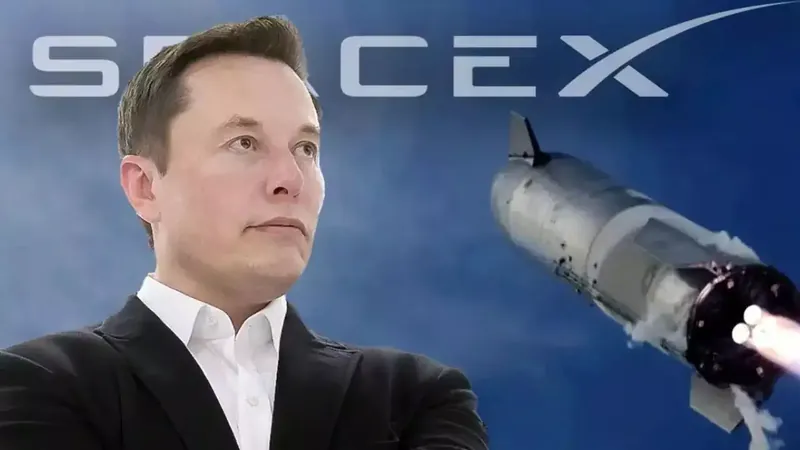
SpaceX is gearing up for a landmark IPO next week, aiming for a valuation of $1.75 trillion. The all-primary offering is set to raise at least $75 billion, with no existing shareholders selling their stakes, according to sources. The IPO roadshow is expected to begin on Thursday.
The IPO will feature a 15% greenshoe option, allowing underwriters to sell additional shares if demand exceeds expectations. Unlike typical large listings, SpaceX's IPO will not include secondary shares, following a structure similar to Rivian Automotive's 2021 IPO. The company plans to list on the Nasdaq under the ticker symbol "SPCX."
SpaceX's IPO is anticipated to be the largest ever, marking the first time the company has communicated specific fundraising and valuation targets to banks. The move is expected to trigger a wave of mega IPOs, with companies like OpenAI and Anthropic also preparing to enter public markets.
Investors face a complex valuation task, as SpaceX lacks a clear public market benchmark. The company's connectivity segment, particularly the Starlink satellite constellation, is its primary profit generator, while other segments continue to burn cash.
SpaceX merged with Musk's AI startup xAI earlier this year, valuing the combined entity at $1 trillion. Despite rising revenues, the company reported a net loss of $4.94 billion in 2025, highlighting the challenges it faces.
Background
The IPO will provide public investors a rare opportunity to invest in Elon Musk's vision for space exploration and satellite communications. However, corporate governance concerns, including a dual-class share structure, may give some investors pause.
As SpaceX prepares for its debut, investors will be closely watching the company's performance and the broader impact of its listing on the market. The success of the IPO could set the tone for future mega listings.