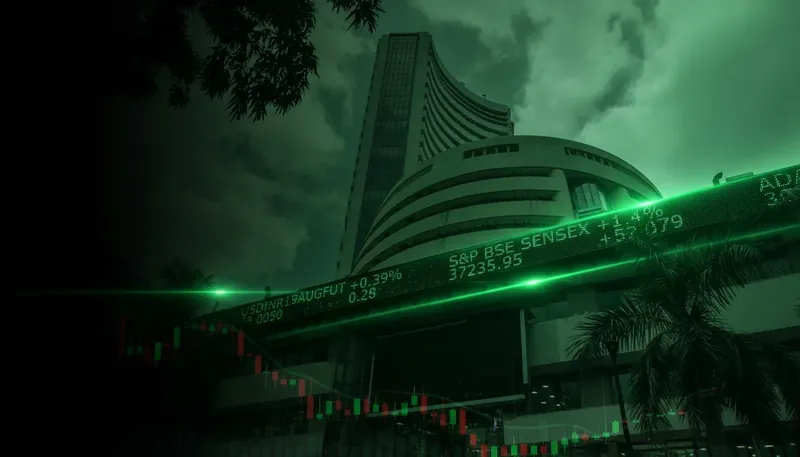
In a dramatic turn of events, the Indian stock market has witnessed a significant downturn, erasing a staggering Rs 18.60 lakh crore from investors' wealth over the past two days. This sharp decline comes as the BSE Sensex, a key benchmark index, plummeted over 4% amid escalating geopolitical tensions in West Asia. The ongoing conflict in the region has led to a steep rise in crude oil prices, sending shockwaves through global financial markets and triggering widespread investor anxiety.
The surge in crude oil prices is particularly concerning for India, which is heavily reliant on oil imports. Rising oil prices not only inflate the country's import bill but also exert upward pressure on inflation, posing a challenge to the Reserve Bank of India's monetary policy. The central bank may be forced to reconsider its interest rate strategy if inflationary pressures persist, potentially impacting borrowing costs for businesses and consumers alike.
The ripple effects of the stock market slump are being felt across various sectors, with energy, banking, and consumer goods stocks bearing the brunt of the sell-off. Investors are now closely monitoring developments in West Asia, as any further escalation could exacerbate market volatility. Additionally, the upcoming corporate earnings season will be crucial in determining the market's trajectory, as investors look for signs of resilience in the face of external headwinds.
Market analysts advise investors to exercise caution and adopt a long-term perspective during these turbulent times. Diversification across asset classes and sectors may help mitigate risks and safeguard portfolios against further market fluctuations. As the situation unfolds, it is imperative for investors to stay informed and agile, ready to adjust their strategies in response to evolving market conditions.