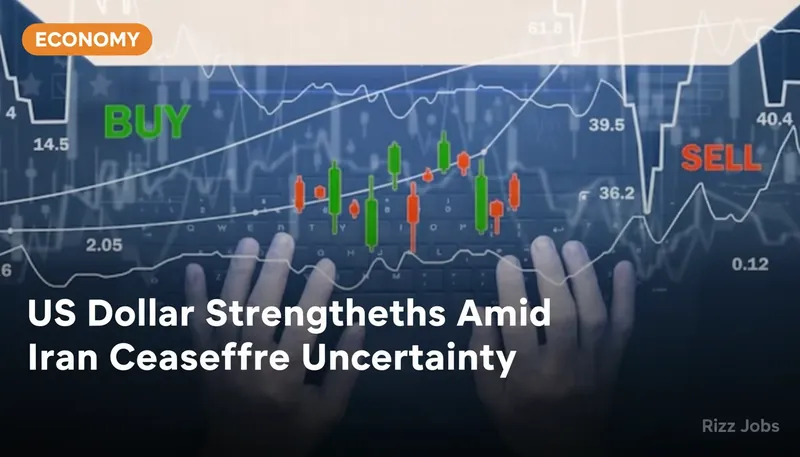
The US dollar has witnessed a notable surge as geopolitical tensions surrounding the Iran ceasefire escalate, creating an atmosphere of uncertainty in the global markets. This uptick in the dollar's value is primarily driven by investors seeking safe-haven assets amidst the geopolitical instability. The ongoing conflict in the Middle East has cast a shadow over the prospects of a ceasefire, prompting market participants to reassess their risk appetite.
The dollar index, which measures the greenback against a basket of major currencies, has climbed significantly, reflecting the currency's appeal as a safe-haven asset. This development comes at a time when the global economy is grappling with inflationary pressures and supply chain disruptions, further complicating the investment landscape.
For Indian investors, the strengthening dollar could have multifaceted implications. A robust dollar often translates into higher import costs, potentially exacerbating inflationary pressures within the Indian economy. This scenario might compel the Reserve Bank of India (RBI) to adopt a more cautious stance in its monetary policy, balancing the need to control inflation while supporting economic growth.
Moreover, Indian exporters might face headwinds as a stronger dollar makes their goods more expensive in the global market, potentially impacting trade balances. On the flip side, Indian IT companies, which earn a significant portion of their revenue in dollars, could benefit from the currency's appreciation, enhancing their profit margins.
As the situation in Iran unfolds, market participants will be closely monitoring developments, with the dollar's trajectory likely to remain a focal point. Investors are advised to stay vigilant and consider diversifying their portfolios to mitigate risks associated with currency fluctuations.