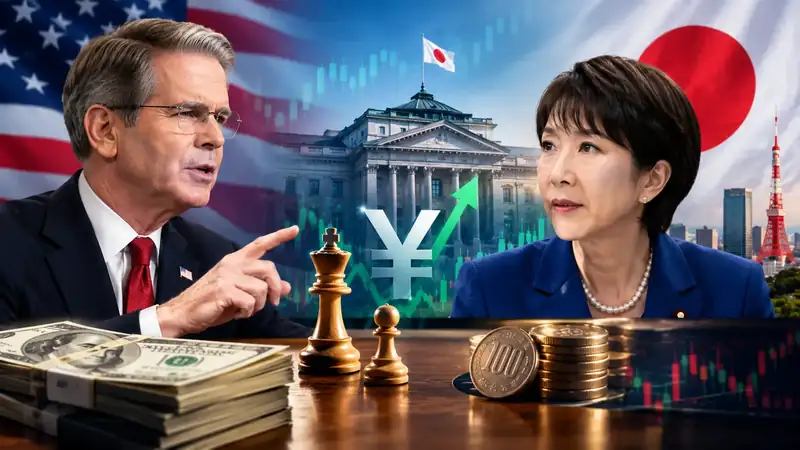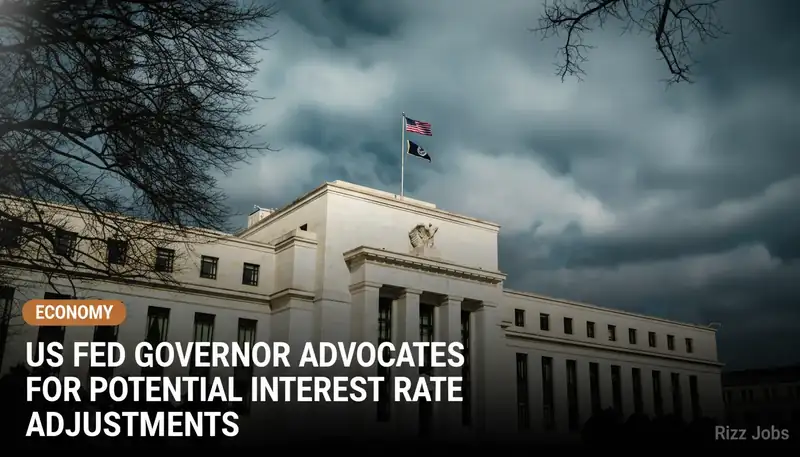
The Federal Reserve is facing increased pressure to reconsider its monetary policy stance as inflation in the United States hits a three-year high. Fed Governor Christopher Waller, speaking in Frankfurt, expressed support for removing the 'easing bias' from the Fed's policy statement, suggesting that future interest rate cuts are no more likely than hikes.
The persistent rise in consumer prices has been exacerbated by geopolitical tensions, particularly the conflict between the US and Iran, which has disrupted global energy supplies. In April, the Federal Open Market Committee (FOMC) opted to hold interest rates steady, despite dissent from several members advocating for a shift in policy language.
Waller's comments add to the growing chorus within the Fed, with one-third of the 12-member rate-setting committee now supporting a change in language. This internal division comes as Kevin Warsh, known for his past support of rate cuts, prepares to take over as Fed Chair.
“Inflation is not headed in the right direction.”
Christopher Waller, Fed Governor
Waller emphasized the uncertainty surrounding the duration of the conflict with Iran, suggesting that the Fed should 'sit and watch' how the situation and economic data evolve. This cautious approach reflects the complexity of the current economic environment.
The Fed's decision-making process is further complicated by the mixed signals from its members, with some advocating for rate cuts and others for a more hawkish stance. This division is likely to influence the upcoming FOMC meeting in June.
“It is time to simply sit and watch how the conflict and the data evolve.”
Christopher Waller, Fed Governor
Background
The US economy has been grappling with inflationary pressures since the pandemic, with geopolitical tensions further complicating the situation. The Fed's policy decisions are crucial in managing these challenges and maintaining economic stability.
As the US economy grapples with inflationary pressures, the Fed's policy decisions will be closely watched by markets and investors. The outcome of the June meeting could set the tone for future monetary policy adjustments.