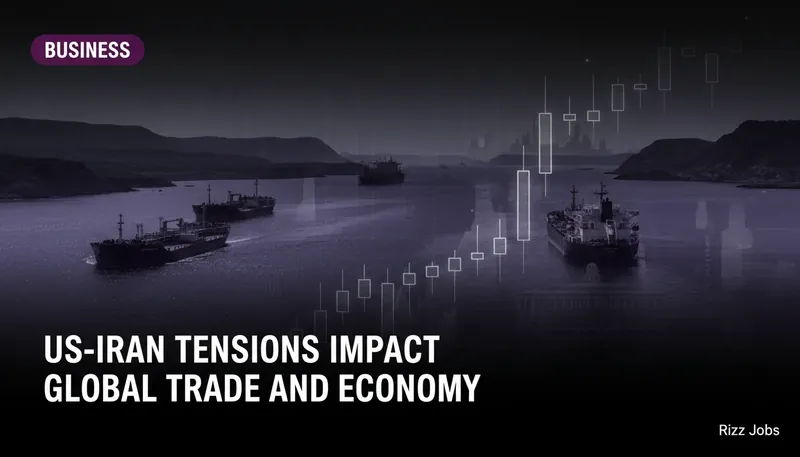
The ongoing geopolitical tensions between the United States and Iran have continued to cast a shadow over the global economy, with the Strait of Hormuz at the center of this high-stakes standoff. This strategic waterway, through which a significant portion of the world's oil supply is transported, remains a critical chokepoint. Iran's recent declaration of being 'open to negotiations' has done little to ease the situation, as U.S. President Donald Trump remains unsatisfied with the current state of affairs. The U.S. Treasury has issued stern warnings to international shippers, cautioning them against paying tolls to Iran for passage through the Strait, threatening sanctions that could further disrupt global trade.
For Indian investors and businesses, these developments are particularly concerning. The potential for increased oil prices could lead to higher import bills, putting pressure on India's trade balance and inflation rates. Additionally, the uncertainty in the region could impact the Indian rupee, adding another layer of complexity to the country's economic landscape. As companies navigate these turbulent waters, the focus will likely shift towards securing supply chains and managing costs effectively.
In the broader context, this situation underscores the interconnectedness of global markets and the ripple effects that geopolitical events can have on economies worldwide. Indian businesses with exposure to international markets may need to reassess their strategies to mitigate risks associated with such geopolitical tensions.


