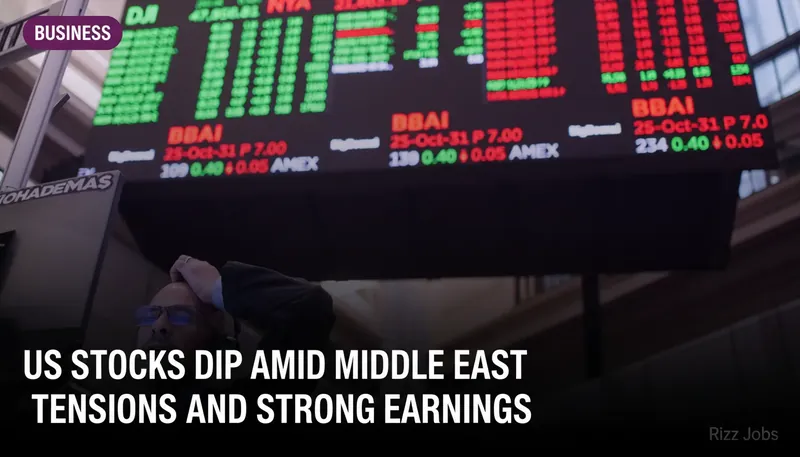
In a volatile turn of events, Wall Street witnessed a pullback from its recent record highs as geopolitical tensions in the Middle East cast a shadow over otherwise robust first-quarter earnings reports. The catalyst for this market unease was an explosion on a South Korean vessel in the strategically vital Strait of Hormuz, a development that has reignited concerns over stability in the region. This incident underscores the persistent geopolitical risks that can swiftly alter market sentiment, even as corporate America continues to deliver strong financial performances.
Energy stocks were among the few sectors to benefit from the turmoil, as the threat of disrupted oil supplies pushed prices higher. This rise in energy stocks provided a counterbalance to the broader market declines, highlighting the sector's sensitivity to geopolitical developments. For Indian investors, this scenario serves as a reminder of the interconnectedness of global markets and the potential ripple effects that international incidents can have on domestic portfolios.
Despite the immediate market reaction, the underlying strength of the U.S. economy remains evident. Many companies have reported better-than-expected earnings, buoyed by consumer spending and a resilient labor market. However, the specter of geopolitical instability could temper investor enthusiasm, leading to increased volatility in the coming weeks.
For Indian markets, the implications are multifaceted. While a robust U.S. economy is generally positive for global growth prospects, sustained tensions in the Middle East could lead to higher oil prices, impacting India's import bill and potentially stoking inflationary pressures. Investors should remain vigilant, balancing the opportunities presented by strong corporate earnings with the risks posed by geopolitical uncertainties.


