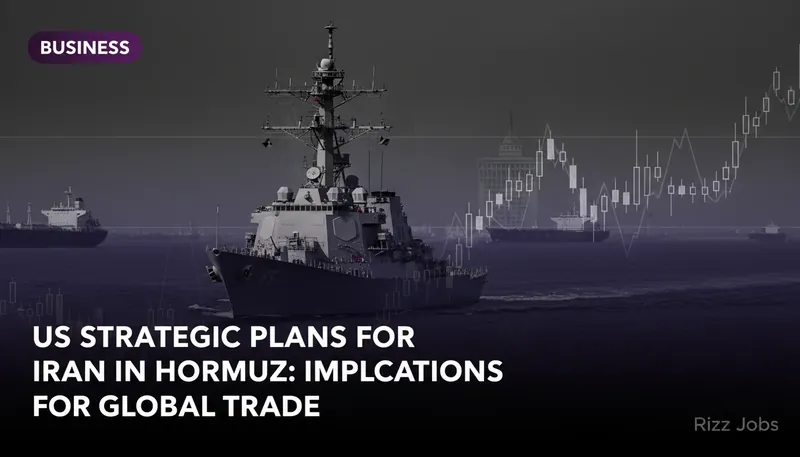
In a move that could have significant repercussions for global trade, the United States is reportedly preparing a concentrated military strategy targeting Iran's capabilities in the Strait of Hormuz. This strategic waterway is crucial for international oil shipments, and any disruption could ripple through global markets, affecting oil prices and economic stability worldwide. According to sources, the U.S. is developing a 'dynamic targeting' approach, which involves a precise and intense bombing campaign aimed at crippling Iran's strategic assets in the region. This comes as diplomatic efforts to resolve tensions between the two nations remain in a precarious state.
The Strait of Hormuz is a vital artery for the global oil supply, with nearly a fifth of the world's oil passing through its narrow confines. Any military conflict in this area could lead to significant disruptions in oil supply chains, potentially driving up prices and impacting economies heavily reliant on oil imports, including India. Indian investors and businesses should closely monitor these developments, as fluctuations in oil prices could affect inflation rates, currency valuations, and stock market dynamics.
The U.S. strategy underscores the geopolitical risks that continue to loom over global trade routes. For Indian businesses, especially those in the energy and shipping sectors, understanding the potential impacts of such military actions is crucial. Companies may need to reassess their supply chain strategies and explore alternative routes or sources to mitigate risks associated with potential disruptions.
As the situation unfolds, Indian policymakers and industry leaders must remain vigilant, preparing for scenarios where increased oil prices could impact domestic inflation and the broader economy. The unfolding geopolitical drama in the Strait of Hormuz serves as a stark reminder of the interconnectedness of global markets and the far-reaching implications of regional conflicts.


