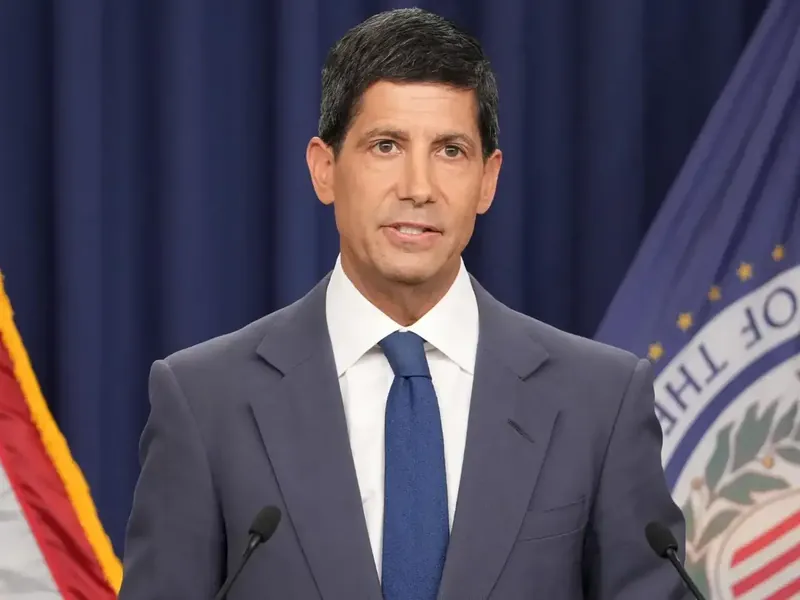
The Federal Reserve's new chair, Kevin Warsh, encountered significant dissent during his second policy meeting, as three officials advocated for raising interest rates. This marks one of the strongest early challenges faced by a Fed chair in recent decades, highlighting the complexities Warsh faces in steering U.S. monetary policy.
The Federal Open Market Committee's (FOMC) latest decision revealed that three members preferred a rate hike over maintaining the current policy stance. Such a level of disagreement is notable, as no Fed chair since the 1970s has faced such significant opposition so early in their tenure, according to records from the Federal Reserve Bank of St. Louis.
Historically, early disagreements among FOMC members have been relatively uncommon. Arthur Burns faced opposition from three members during his first policy decision in February 1970, while Paul Volcker encountered resistance from two officials at his first meeting and four at his second.
In contrast, recent Fed leaders have experienced limited opposition in their initial months. Janet Yellen faced a dissent during her first meeting as chair in March 2014, while Jerome Powell, Warsh's predecessor, had a smoother start with unanimous policy decisions until June 2019.
Despite occasional disagreements, only one Fed chair since the 1930s, Thomas McCabe, has maintained a completely unanimous record, chairing 19 FOMC meetings between May 1948 and March 1951 without a single dissent.
Background
The early divisions under Warsh suggest that debates over the future path of interest rates could remain intense as the Fed balances inflation risks, economic growth concerns, and differing views among policymakers.
The early divisions under Warsh suggest that debates over the future path of interest rates could remain intense as the Fed balances inflation risks, economic growth concerns, and differing views among policymakers.