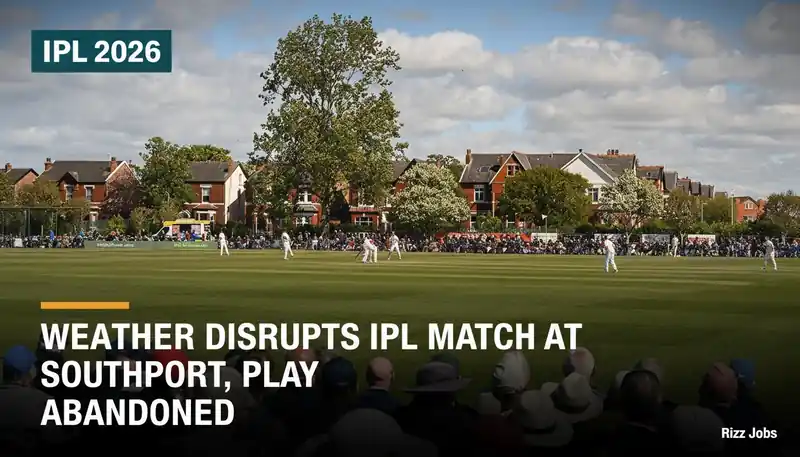
The Indian Premier League (IPL) faced a significant setback as relentless rain washed out the second day of play at Southport, causing disappointment among fans and stakeholders alike. The adverse weather conditions not only halted the much-anticipated cricket action but also brought to light the vulnerabilities of outdoor sporting events to climate unpredictability. The match, which was expected to draw significant viewership and advertising revenue, now leaves broadcasters and sponsors recalibrating their strategies. For investors and businesses with stakes in the IPL, the disruption serves as a reminder of the importance of risk management and contingency planning in sports investments. The IPL, known for its high-octane matches and substantial economic impact, continues to be a major attraction for advertisers and brands seeking to capitalize on its vast audience. However, weather-related disruptions pose a challenge to maximizing returns on investment. As the league progresses, stakeholders will be keenly observing weather patterns and their potential impact on scheduling and revenue. This incident underscores the need for innovative solutions, such as improved stadium infrastructure and flexible scheduling, to mitigate the risks posed by inclement weather. In the broader context, the IPL's ability to adapt to such challenges will be crucial in maintaining its status as a premier sporting event. As fans await the resumption of play, the focus will be on how the league manages these disruptions and ensures a seamless experience for all involved.
ipl
Weather Disrupts IPL Match at Southport, Play Abandoned
Rizz Jobs News Desk··2 min read
Market Briefing
- Rain has disrupted the IPL match at Southport, leading to the abandonment of the second day's play.
- This highlights the challenges of weather unpredictability in sports events.
Share this story
Topics
IPL 2026Southport matchweather disruptioncricket investmentsports risk management
Stay Informed
India's financial news, delivered daily.
Finance, markets, economy and startup updates — straight to your inbox.
Subscribe Free →