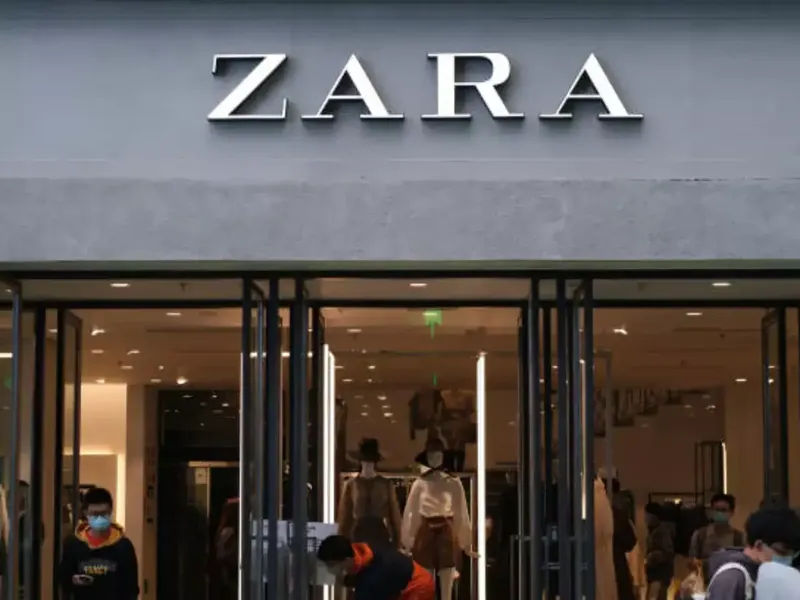
Zara stores in India, operated by Inditex Trent Retail India Private Ltd (ITRIPL), reported a profit of Rs 299.84 crore and revenue from operations amounting to Rs 2,782.06 crore for the financial year ending March 31, 2025. This marks a notable performance for the joint venture between Spain's Inditex and Tata Group's Trent Ltd, despite a slight dip in total income compared to the previous year.
The total income for ITRIPL stood at Rs 2,767.75 crore, a decrease from Rs 2,839.50 crore in the previous financial year. Zara, competing with international brands like H&M and UNIQLO, operates 22 stores across India. In FY26, Trent reduced its stake in ITRIPL through a buyback offer, resulting in a 20% shareholding.
Inditex also partners with Trent in operating Massimo Dutti stores in India through Massimo Dutti India Pvt Ltd (MDIPL), which saw a revenue increase of 27.97% to Rs 128.45 crore in FY25. The net profit for MDIPL rose by 13.86% to Rs 11.66 crore for the year ending March 2026. Like ITRIPL, Trent holds a 20% stake in MDIPL.
Both ITRIPL and MDIPL source their merchandise exclusively from the Inditex Group, headquartered in Arteixo, Galicia, Spain. The group is known for its portfolio of brands, including Zara and Massimo Dutti. The choice of products and specifications is at the discretion of Inditex, and the entities rely on the group for brand usage permissions in India.
The financial performance of Zara and Massimo Dutti in India reflects the strategic partnership between Inditex and Trent, leveraging the global appeal of Inditex's brands while navigating the competitive Indian retail market.
Background
Zara's performance in India is part of a broader strategy by Inditex to expand its footprint in emerging markets. The collaboration with Tata Group's Trent Ltd allows Zara to leverage local expertise and infrastructure, crucial for navigating the diverse and competitive Indian retail landscape.
Looking ahead, Zara's continued success in India will depend on its ability to adapt to changing consumer preferences and maintain its competitive edge against other international brands. Stakeholders will be keenly watching how the brand evolves its strategy in the Indian market.


