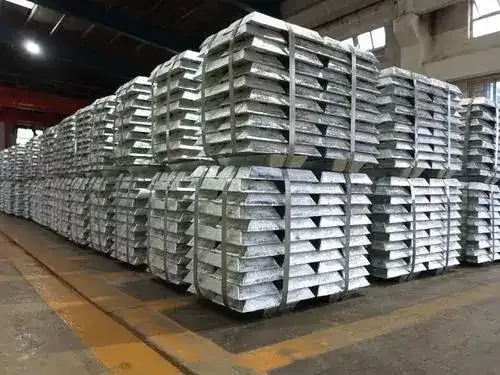
Zinc prices have reached multi-year highs due to a combination of tight supply conditions and increased production costs. The London Metal Exchange (LME) has reported significant inventory drawdowns, with stocks at one point covering less than a single day of global consumption. Rising electricity tariffs and freight expenses have further exacerbated the situation, pushing up production costs for energy-intensive smelting operations.
The primary driver of zinc demand remains galvanisation, which accounts for over 50–60% of global consumption. Zinc is also crucial in alloy production, automobiles, construction, and various consumer goods. However, the market has faced intermittent disruptions in mining and smelting activities due to adverse weather, logistical bottlenecks, and operational challenges. Although mine output has improved in some regions, these gains have not fully offset disruptions elsewhere.
Geopolitical tensions, particularly in West Asia, have added complexity to zinc markets. Issues around the Strait of Hormuz have affected the movement of zinc concentrates, while higher freight and insurance costs have pushed prices upward. Conflicts involving producers like Iran have caused shipment delays, forcing major consumers such as China to seek alternative sources.
Looking ahead, zinc demand is expected to remain strong, driven by infrastructure development in emerging economies, rising automobile production, and renewable energy projects. The global zinc market is projected to grow at a compound annual growth rate of around 6% through 2030. Despite the bullish momentum, zinc prices are expected to remain volatile due to factors like low inventories and geopolitical disruptions.
The global zinc market is currently experiencing a complex interplay between tightness and potential surplus. While short-term supply constraints and low inventories support prices, rising mine production and new project expansions are expected to gradually ease supply concerns. However, the supply response has been uneven, with several smelters facing operational challenges due to rising energy costs.
Background
Zinc is a critical industrial metal with extensive applications in galvanisation, alloy production, and various consumer goods. Its market dynamics are influenced by global supply chain issues, geopolitical tensions, and energy costs, making it a key focus for commodity traders and industrial stakeholders.
As the zinc market navigates these challenges, stakeholders should monitor geopolitical developments and energy price trends, which could significantly impact future supply and demand dynamics.