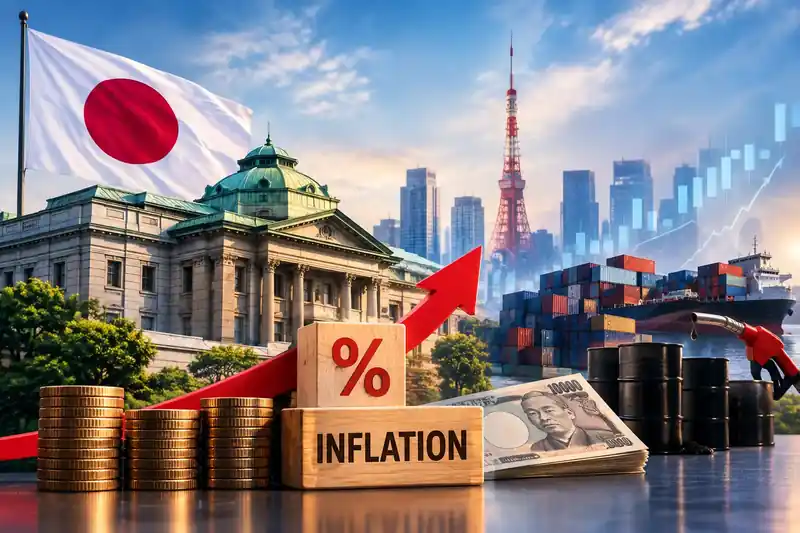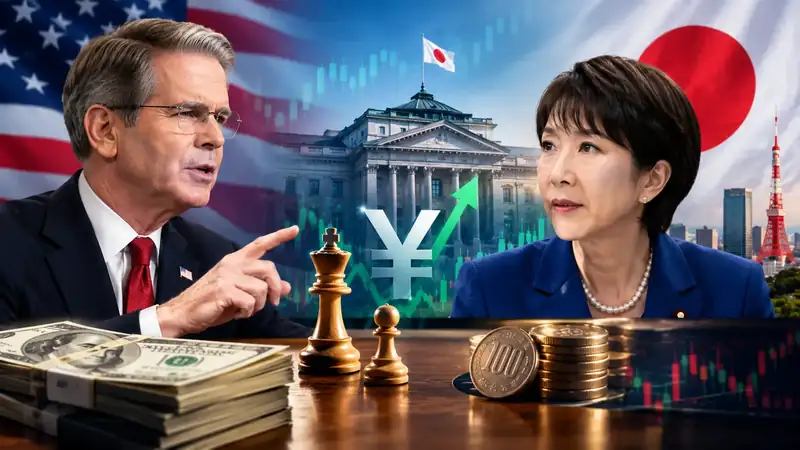
Treasury Secretary Bessent has been urging Japan to curb its fiscal spending and raise interest rates, fearing that a sell-off in Japanese bonds could impact U.S. debt markets. This push comes amid concerns that inflation, driven by a weaker yen, could affect Prime Minister Sanae Takaichi's standing with voters.
Bessent's calls for Japan to address the fundamental issues affecting the yen, particularly Takaichi's spending plans, have been a point of contention. The June 22 call between Bessent and Japanese officials set the stage for a joint intervention by Washington and Tokyo in late July to stabilize the yen. Bessent's strategy leverages U.S. influence over currency and Treasury markets to secure policy changes from Japan, a key ally.
The U.S. Treasury's interest in a stable yen is not about targeting specific exchange rates but ensuring orderly markets. Japan's long-term yields are a concern for Bessent, as Japan is the largest foreign holder of U.S. Treasuries. A rise in these yields could increase U.S. borrowing costs, complicating Washington's fiscal challenges.
“Bessent has run out of patience with Japan.”
David Boling, Managing Director for Japan at The Asia Group
Despite a rate hike by the Bank of Japan in June, Bessent continued to press Japan for fiscal reforms. This pressure was evident when Japan's state pension fund signaled support for the domestic bond market, and the BOJ hinted at further rate hikes.
The joint intervention in late July, negotiated by Katayama and Atsushi Mimura, was a culmination of U.S.-Japan currency cooperation. However, the yen's subsequent slide and rising global bond yields have renewed U.S. frustrations with Japan's fiscal policies.
“The United States does not want Japan, its ally, to lose economic strength because of excessive yen weakness.”
Takehiko Nakao, Former Top Currency Diplomat of Japan
At a G20 meeting in late August, Bessent reiterated calls for higher Japanese rates and fiscal tightening, reflecting Washington's dissatisfaction with the remnants of Abenomics. Japan's benchmark yield hitting a 30-year high has increased pressure on Takaichi to adjust her spending plans.
Background
Japan's economic policies, particularly Abenomics, have been under scrutiny as the country navigates its fiscal challenges. The U.S. has been a critical partner in stabilizing the yen, but tensions remain over Japan's fiscal direction.
The ongoing fiscal standoff highlights the delicate balance Takaichi must maintain between domestic policy goals and international economic pressures. As Japan prepares its budget for the next fiscal year, the focus will remain on how Takaichi navigates these competing demands.