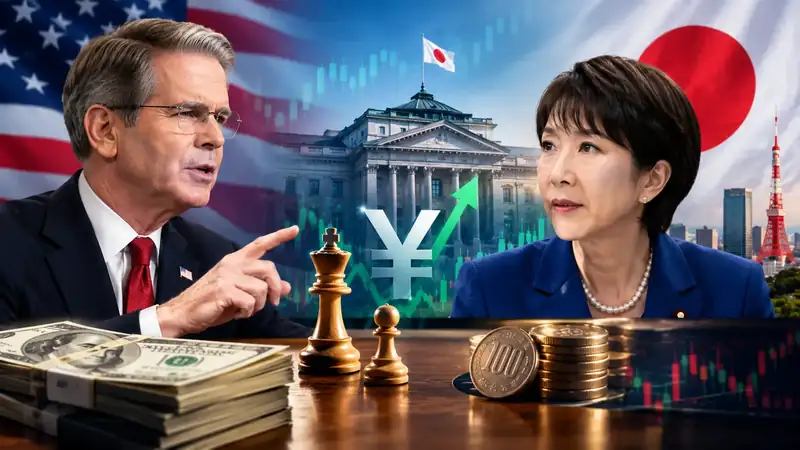
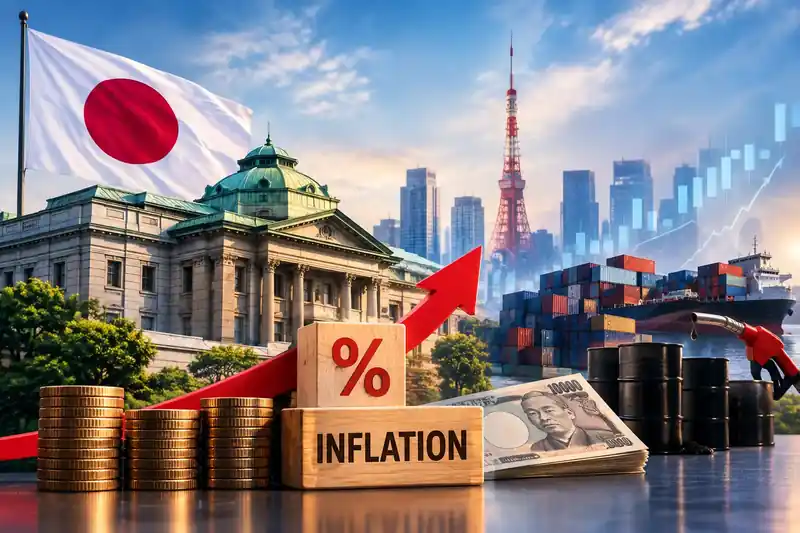
The ongoing conflict in Iran has sent shockwaves through global markets, with emerging economies bearing the brunt of the economic fallout. Two months into the crisis, these nations are grappling with heightened inflation, disrupted trade routes, and mounting fiscal pressures. The war has exacerbated existing vulnerabilities, causing currency depreciation and escalating borrowing costs. While commodity-exporting countries might find some solace in rising prices, the overall scenario remains grim for many developing nations. The situation calls for urgent financial interventions and aid to stabilize economies teetering on the brink. For Indian investors, the implications are significant. The ripple effects of the conflict could influence India's trade balances and inflation rates, potentially affecting monetary policy decisions. Moreover, the depreciation of currencies in other emerging markets might impact the competitiveness of Indian exports. As global supply chains face disruptions, Indian companies reliant on imports could see increased costs, affecting their bottom lines. The Reserve Bank of India (RBI) may need to navigate these turbulent waters carefully, balancing inflation control with growth stimulation. The international community's response, in terms of financial aid and diplomatic efforts to resolve the conflict, will be crucial in determining the future trajectory of these markets.
economy
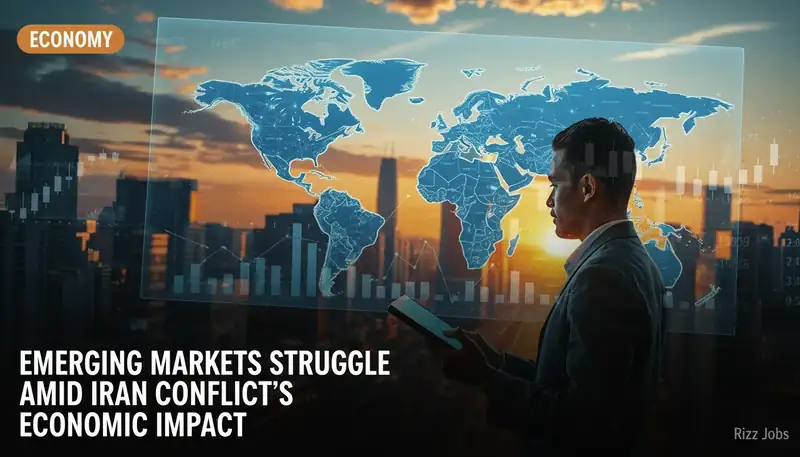
Emerging Markets Struggle Amid Iran Conflict's Economic Impact
Rizz Jobs News Desk··1 min read
Market Briefing
- Emerging markets are facing severe economic challenges due to the Iran conflict, with rising inflation and trade disruptions posing significant risks.
- Indian investors should be cautious as these developments could influence trade balances and monetary policy.
Share this story
Topics
Iran conflictemerging marketsglobal inflationtrade disruptionscurrency depreciation
Stay Informed
India's financial news, delivered daily.
Finance, markets, economy and startup updates — straight to your inbox.
Subscribe Free →