Most U.S. regions experienced heightened inflation from late April to late May, driven by energy-related costs linked to the Iran war, according to the Federal Reserve's Beige Book. This inflationary pressure has led to increased credit card usage and fewer retail visits, indicating a shift in consumer spending patterns.
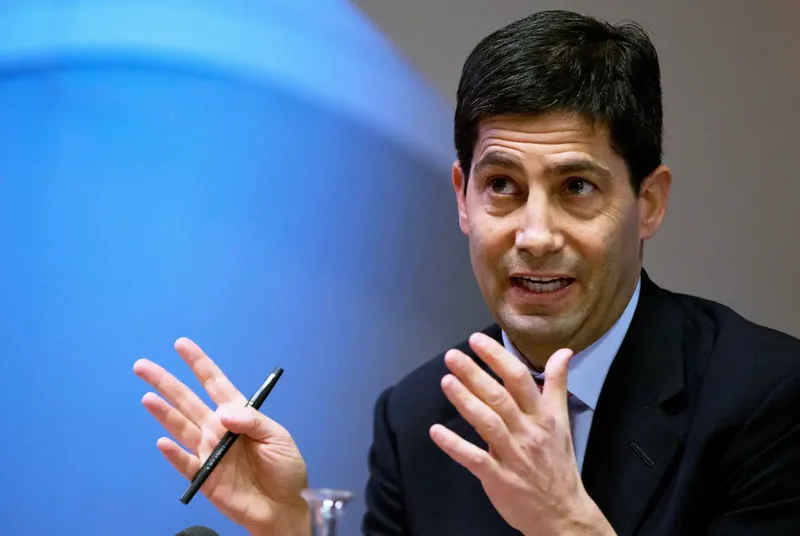
The Beige Book highlights a concerning stagflationary trend, where consumer demand weakens while cost pressures rise. This scenario presents a challenge for the new Fed Chair, Kevin Warsh, who is expected to manage inflation while considering potential interest rate cuts. The report also notes that middle-income households are feeling the pinch, with families trying to stretch their dollars further.
Navy Federal Credit Union's chief economist, Heather Long, described the situation as a 'sticky problem,' urging Warsh to demonstrate a firm commitment to controlling inflation. Dallas Fed President Lorie Logan expressed concern over the possibility of higher interest rates being necessary later this year, given the persistent inflation despite booming AI investments.
“Middle-income households are squeezing more life out of every dollar before deciding to spend it.”
Kansas City Fed contact
Interest-rate futures indicate a 75% chance of a quarter-percent rate hike by the end of the year, with traders anticipating a policy rate range of 3.75%-4.00%. The Beige Book also reports moderate U.S. economic growth, fueled by AI-driven demand for data center construction, although inflationary pressures and spending pullbacks persist in other sectors.
The report reveals that consumers are shifting towards hybrid cars and reducing new car purchases due to rising gas prices. Additionally, higher energy costs have led to increased fertilizer prices, impacting agricultural outputs like New York apple harvests. Manufacturing demand has weakened, and tourism-related demand is mixed, with declines at value-oriented venues.
“The latest warning sign that inflation is quickly turning into a sticky problem...New Fed Chair Kevin Warsh has to come out at the June meeting showing his firm commitment to containing inflation.”
Heather Long, Navy Federal Credit Union chief economist
Background
Warsh took over from Jerome Powell in late May, as inflation reaccelerated due to the U.S.-backed war with Iran. Inflation has exceeded the Fed's 2% target for over five years, with April's rate at 3.8%. Warsh believes AI could be a disinflationary force, potentially allowing for rate cuts. However, AI's impact on hiring, particularly for young workers, remains uncertain.
Looking ahead, the Fed's focus will likely remain on balancing inflation control with economic growth. Observers will be keenly watching Warsh's approach to managing these challenges in upcoming meetings.