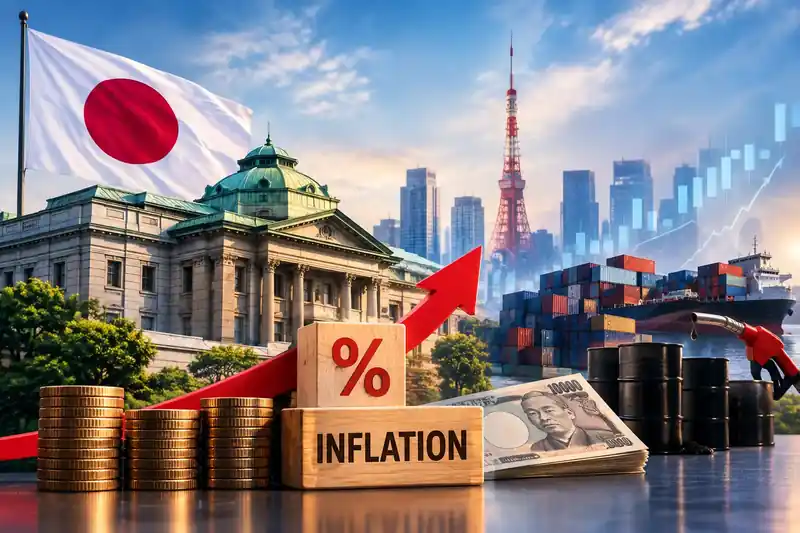
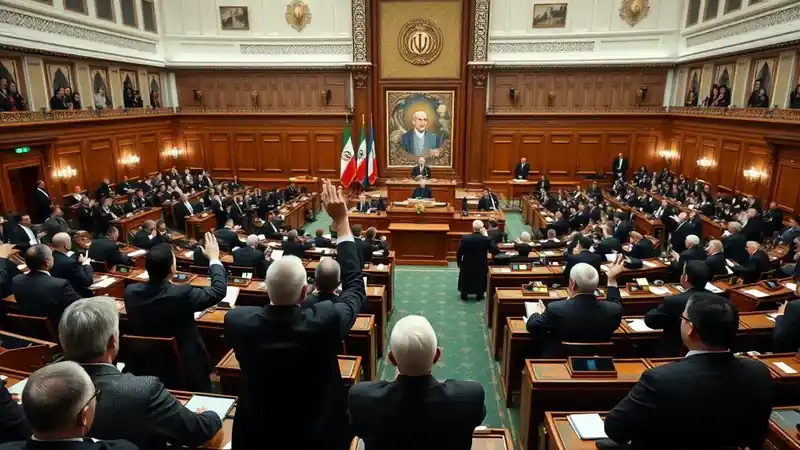
As global markets exhibit optimism over a potential ceasefire involving Iran, experts caution that the situation remains precarious. John Rossomando of Viking Research highlights that while investors are buoyed by prospects of peace, they might be overlooking significant geopolitical risks. The delicate nature of the ceasefire means that any aggressive move by Iran, such as missile strikes or disruptions in shipping lanes, could swiftly overturn current market sentiments. For Indian investors, this underscores the need for vigilance, especially in sectors heavily reliant on stable global trade routes, such as oil and gas, and shipping. The Indian stock market, which has been experiencing a bullish trend, could face volatility if geopolitical tensions escalate. Furthermore, the ripple effects could impact the rupee's performance against major currencies, given India's dependency on oil imports. As negotiations loom, stakeholders are advised to keep a close eye on developments. The potential for market disruption is real, and strategic hedging might be prudent for those exposed to sectors sensitive to Middle Eastern geopolitics. With global trade already under pressure from various fronts, including supply chain constraints, any new conflict could exacerbate existing challenges. Investors should consider diversifying portfolios to mitigate risks associated with geopolitical instability.
economy
Geopolitical Risks Loom as Iran Ceasefire Remains Fragile
Rizz Jobs News Desk··1 min read
Market Briefing
- John Rossomando warns that markets may be underestimating geopolitical risks related to Iran's fragile ceasefire.
- Indian investors should remain vigilant as any escalation could disrupt global trade and affect market stability.
Share this story
Topics
Iran ceasefiregeopolitical risksglobal tradeIndian stock marketoil imports
Stay Informed
India's financial news, delivered daily.
Finance, markets, economy and startup updates — straight to your inbox.
Subscribe Free →