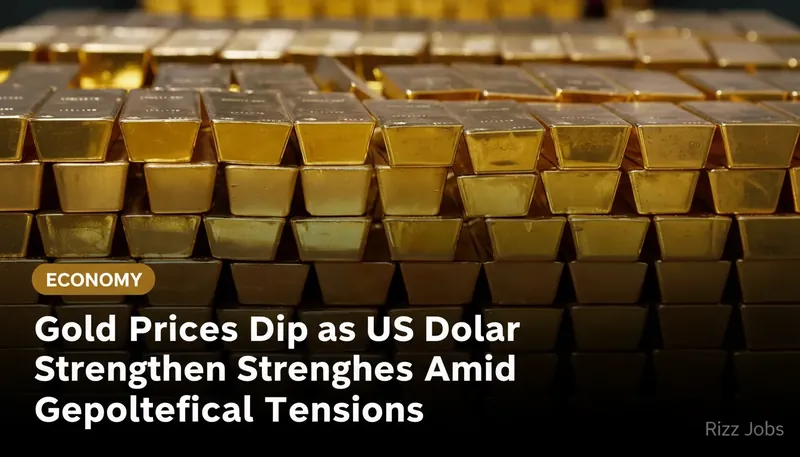
On Monday, gold prices experienced a notable decline as the U.S. dollar gained strength, a development that typically makes the precious metal more expensive for international buyers. This currency movement comes at a time of escalating geopolitical tensions between the United States and Iran, which have also driven oil prices higher. For Indian investors, the scenario presents a complex picture. While a stronger dollar typically signals a robust U.S. economy, it simultaneously raises concerns about the cost of importing commodities like gold. This is particularly significant for India, one of the largest consumers of gold, where demand has already been subdued due to high prices.
The rise in oil prices, a direct consequence of the U.S.-Iran tensions, has revived fears of inflationary pressures. For India, a country heavily reliant on oil imports, this could mean increased costs across various sectors, potentially impacting everything from transportation to manufacturing. The Reserve Bank of India may find itself in a challenging position, balancing the need to control inflation with the imperative to support economic growth.
Other precious metals also saw declines, indicating a broader market trend influenced by the strengthening dollar. For Indian investors, this could mean a cautious approach to commodity investments in the near term. However, the geopolitical situation remains fluid, and any easing of tensions could quickly alter market dynamics.
In summary, while the strengthening dollar and rising oil prices present immediate challenges, they also offer opportunities for strategic investment decisions. Indian investors would do well to keep a close eye on these developments, as they could have significant implications for both short-term market movements and long-term economic trends.