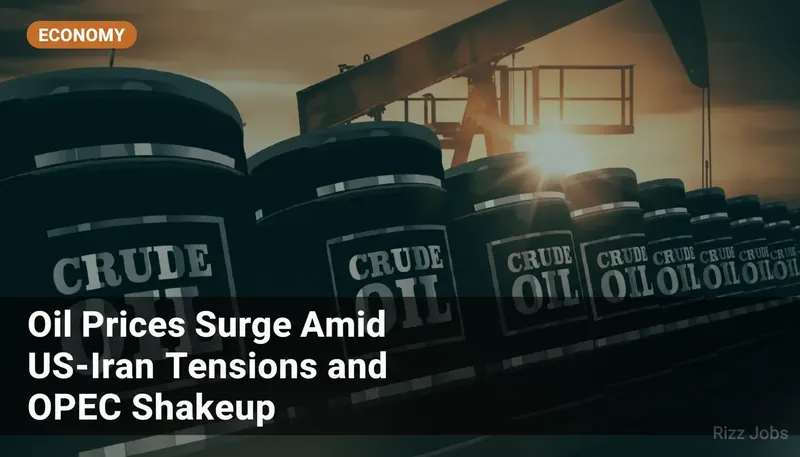
Oil markets are experiencing heightened volatility as geopolitical tensions between the United States and Iran continue to escalate, resulting in prolonged disruptions to supply chains from the Middle East. The deadlock in negotiations to resolve the conflict has kept the Strait of Hormuz, a critical chokepoint for global oil shipments, largely blocked. This situation has led to a surge in oil prices, with traders and investors closely monitoring the developments.
Adding to the market's uncertainty is the United Arab Emirates' unexpected decision to withdraw from the Organization of the Petroleum Exporting Countries (OPEC). This move is anticipated to weaken the cartel's ability to control oil prices, potentially leading to further price fluctuations. The UAE's departure could signal a shift in the dynamics of global oil markets, as the country seeks to pursue independent production and pricing strategies.
For Indian investors and businesses, these developments have significant implications. Rising oil prices could lead to increased costs for industries reliant on oil imports, such as transportation and manufacturing. Additionally, the potential for further price volatility may impact the Indian economy's inflationary pressures, influencing monetary policy decisions by the Reserve Bank of India (RBI).
Market participants are advised to remain vigilant and consider hedging strategies to mitigate risks associated with oil price fluctuations. As the geopolitical landscape evolves, the focus will remain on diplomatic efforts to resolve the US-Iran conflict and the potential impacts of the UAE's departure from OPEC on global oil markets.