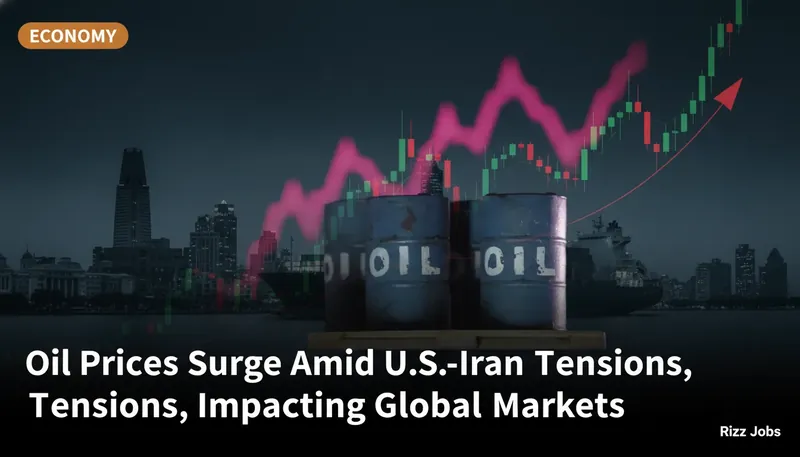
In a significant development for global energy markets, oil prices experienced a notable surge on Friday as tensions between the United States and Iran reignited. This geopolitical friction threatens the already fragile ceasefire and casts a shadow over the reopening of the crucial Strait of Hormuz, a vital artery for global oil transportation. The latest escalation follows accusations from Iran regarding U.S. violations, countered by U.S. claims of retaliatory strikes. Despite reassurances from President Trump that the ceasefire remains intact, the market's reaction indicates a heightened sense of uncertainty.
Brent crude and West Texas Intermediate (WTI) futures both saw significant gains, reversing earlier declines. This price movement underscores the sensitivity of oil markets to geopolitical developments, particularly those involving major oil-producing regions. The Strait of Hormuz, through which approximately 20% of the world's oil passes, remains a critical chokepoint. Any disruption in this region can have far-reaching implications for global supply chains and energy prices.
For Indian investors and businesses, these developments warrant close attention. India, as a major oil importer, is particularly vulnerable to fluctuations in global oil prices. Rising oil prices can lead to increased costs for businesses, higher inflation, and potential impacts on the fiscal deficit. Additionally, the Indian rupee could face pressure if oil prices continue to rise, affecting import costs and trade balances.
In this complex geopolitical landscape, market participants should brace for potential volatility. While the immediate impact is felt in the energy markets, the ripple effects could extend to various sectors, including transportation, manufacturing, and consumer goods. Investors may need to reassess their strategies, considering the potential for prolonged instability in the region.