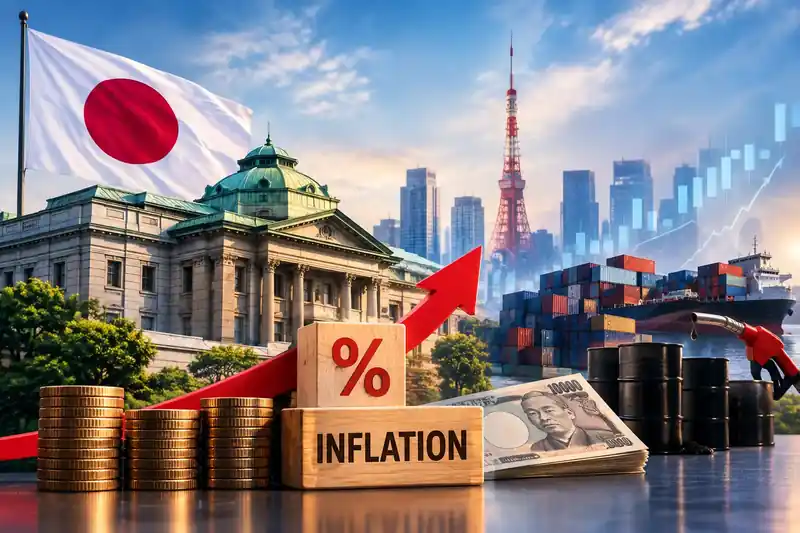
In a notable shift in the global financial landscape, U.S. Treasury yields have surged to their highest levels in weeks, driven by a significant rally in oil prices. This development has sparked concerns about rising inflation, which could potentially delay any anticipated interest-rate cuts by the Federal Reserve. For Indian investors, this scenario underscores the intricate interplay between commodity prices and financial markets, emphasizing the need for strategic portfolio adjustments.
The recent uptick in oil prices can be attributed to a confluence of factors, including geopolitical tensions and supply constraints. As oil is a key input for numerous industries, its price directly influences inflation expectations. Higher inflation typically erodes the purchasing power of fixed-income investments like Treasuries, leading to a sell-off in these securities and consequently, higher yields.
For the Reserve Bank of India (RBI), this development is a double-edged sword. On one hand, rising global inflation could exert upward pressure on domestic inflation, complicating the central bank's monetary policy stance. On the other hand, higher U.S. yields might attract capital flows away from emerging markets, including India, potentially impacting the rupee's stability.
Indian businesses, particularly those reliant on imported oil, may face increased costs, which could squeeze profit margins if they are unable to pass these costs onto consumers. In contrast, sectors like information technology and pharmaceuticals, which benefit from a weaker rupee, might find some respite.
Investors should closely monitor these developments, as the interplay between oil prices, inflation expectations, and interest rates will likely influence market dynamics in the coming months. Diversifying portfolios to hedge against inflationary pressures and currency volatility could be prudent strategies in this uncertain environment.