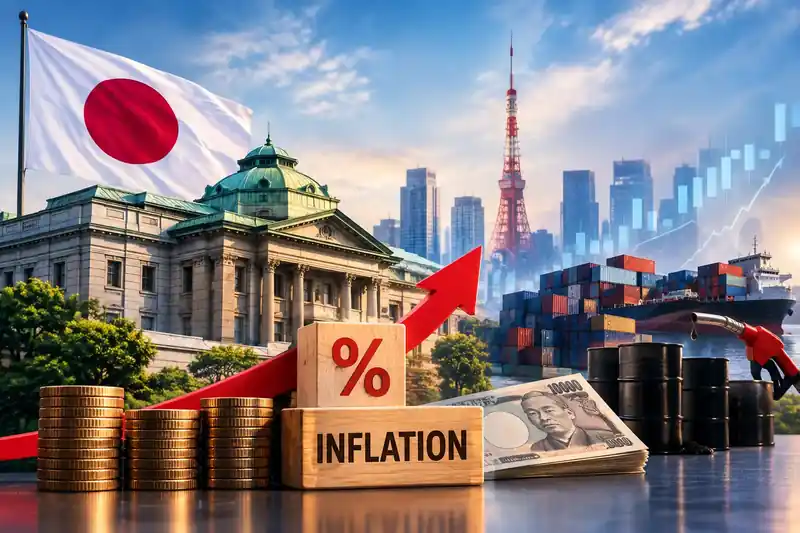
The Reserve Bank of India (RBI) has cautioned that the ongoing conflict in West Asia could pose significant risks to India's growth outlook, despite a generally positive trajectory. The central bank highlighted potential challenges such as elevated energy prices, supply chain disruptions, and financial market volatility that could affect growth and inflation in the short term.
The RBI report emphasized the importance of healthy corporate and bank balance sheets, government capital expenditure, and trade agreements with key partners as factors supporting investment and growth momentum. However, it stressed the need for continuous assessment of global developments to formulate appropriate policy responses.
The central bank projected consumer price inflation for 2026-27 at 4.6%, with risks tilted to the upside, a notable increase from the revised estimate of 3.7% for the previous fiscal year. Adequate food grain stocks and stable agricultural prospects are expected to help keep inflation aligned with targets, despite potential El Nino conditions.
“Going forward, India's growth outlook remains positive, though the West Asia conflict and the attendant risks of elevated energy prices, supply chain disruptions, financial market volatility, uncertainty surrounding global trade policies and weather-related disruptions could pose headwinds to growth and inflation in the short run.”
Reserve Bank of India
Domestic bond yields could face upward pressure if the global monetary easing cycle stalls due to persistent oil price shocks amid fragile conditions in West Asia. Geopolitical risks have re-emerged as a dominant drag on global growth, with the IMF projecting the global economy to grow by 3.1% in 2026, down from an earlier projection of 3.3%.
The RBI's annual report noted that the government's commitment to fiscal consolidation and liquidity measures by the central bank are expected to contain upward pressure on yields. Equity market dynamics will be influenced by geopolitical developments, global financial market volatility, and foreign portfolio investment flows.
Background
The ongoing conflict in West Asia has reintroduced significant geopolitical risks that could affect global economic stability. Historically, such conflicts have led to fluctuations in energy prices and disruptions in global trade, impacting economies worldwide.
Looking ahead, the RBI's focus will remain on monitoring geopolitical tensions and their potential impact on India's economic stability. Policymakers will need to stay vigilant and responsive to evolving global conditions to safeguard the country's growth prospects.