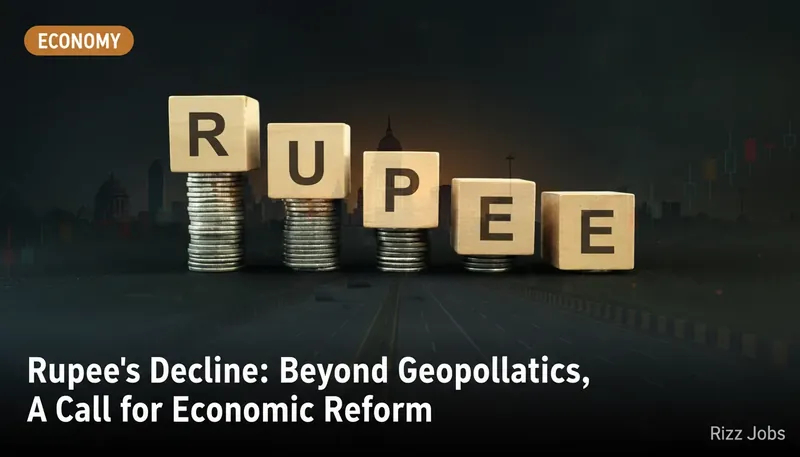
The recent depreciation of the Indian Rupee (INR) has been exacerbated by the ongoing conflict in West Asia, but attributing the currency's decline solely to geopolitical tensions would be an oversimplification. The situation underscores the need for a comprehensive reassessment of India's economic strategies and fundamentals. In the short term, policymakers are considering raising domestic interest rates to curb inflation and stabilize the currency. Additionally, aligning onshore tax regulations across different asset classes could provide a more equitable investment landscape, potentially attracting foreign capital.
However, the long-term health of the rupee and the broader Indian economy requires more than just immediate fiscal adjustments. Experts suggest that building world-class educational institutions could enhance India's global competitiveness and innovation capacity. Encouraging local tourism is another avenue that could bolster domestic economic activity, providing a buffer against external shocks. Furthermore, a redesign of the INR symbol has been proposed as a symbolic gesture to reflect a modern and resilient economic identity.
For Indian investors and businesses, these developments highlight the importance of strategic planning and diversification. The current economic climate calls for a balanced approach, weighing immediate fiscal policies against long-term structural reforms. As India navigates these challenges, the focus should remain on fostering a robust economic environment that can withstand both internal and external pressures.