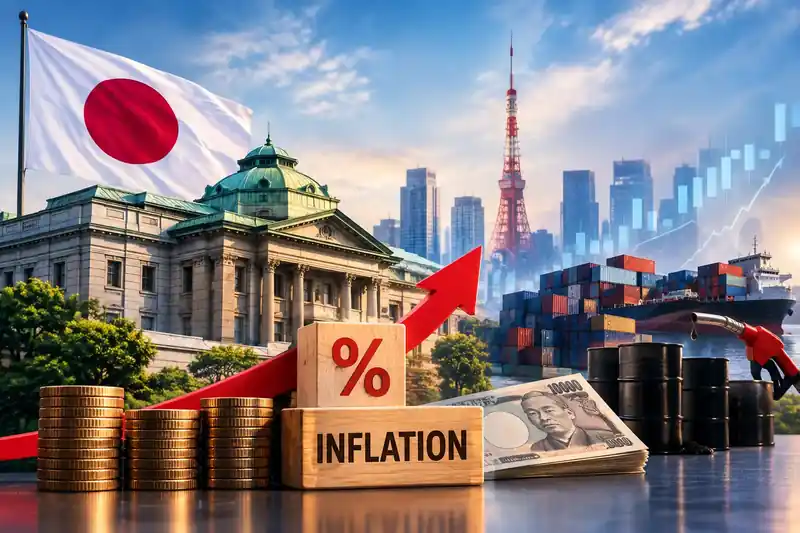
The Federal Reserve's latest Beige Book survey highlights that the ongoing conflict in the Middle East, particularly the war involving the United States and Israel against Iran, is significantly driving inflationary pressures in the US. The turmoil has led to skyrocketing energy prices and disrupted supply chains, affecting various sectors including shipping and groceries.
The conflict, which began on February 28, has resulted in Tehran's retaliatory attacks and a blockade of the Strait of Hormuz, a critical channel for global oil and gas supplies. This blockade has exacerbated energy costs, which districts in the US have identified as the primary inflation driver. The Fed's preferred inflation measure showed its highest year-on-year increase since 2023.
The Beige Book, a summary of economic conditions across the US, reported that businesses are struggling to keep up with rising non-labor input costs without proportionately increasing prices, indicating a squeeze on profit margins. Higher-income households continue to spend, while middle and low-income consumers face financial strain, leading to increased credit card usage and reduced retail visits.
“Manufacturing hiring was the strongest sector in several Districts, supported by defense-related activity and rising data center demand.”
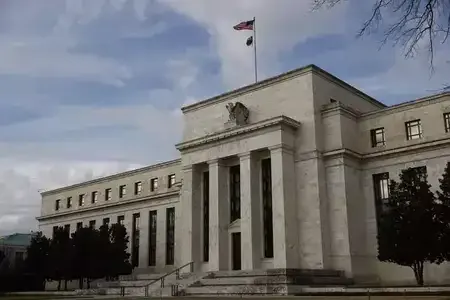
Federal Reserve
Economic activity saw a slight to moderate increase in 10 out of 12 Federal Reserve districts, with employment activity largely unchanged. Manufacturing hiring was notably strong, driven by defense-related activities and increased demand for data centers.
"Manufacturing hiring was the strongest sector in several Districts, supported by defense-related activity and rising data center demand," the Fed reported.
Background
The current economic scenario underscores the complexities of a K-shaped recovery, where wealthier households maintain spending levels, while those with lower incomes face greater challenges. The blockade of the Strait of Hormuz is a critical factor affecting global energy prices, with significant implications for inflation and economic stability.
Looking ahead, the ongoing conflict and its impact on energy prices and supply chains will remain a focal point for economic observers. The Fed's future policy decisions will likely be influenced by these developments as they continue to monitor inflationary trends and economic activity.