In a significant geopolitical development, US President Donald Trump has confirmed that the naval blockade in the Strait of Hormuz will remain firmly in place, despite recent announcements from Iran regarding the strait's status. This decision underscores the ongoing tensions between the US and Iran, with the strategic waterway being a critical artery for global oil shipments. The Strait of Hormuz is pivotal for energy markets, as it accounts for a significant portion of the world's petroleum transit. Any disruption in this region can have far-reaching implications for global oil prices, potentially affecting India's energy import costs and inflation rates. For Indian businesses and investors, the stability of the Hormuz passage is crucial, given India's dependency on oil imports. A sustained blockade could lead to increased shipping insurance costs and supply chain disruptions, affecting industries reliant on petroleum-based products. Moreover, the geopolitical tension could influence currency markets, impacting the rupee's stability against the dollar. Indian policymakers and corporate leaders will need to closely monitor the situation, as prolonged instability could necessitate strategic adjustments in energy procurement and financial hedging strategies. The US's firm stance reflects its broader strategy to exert maximum pressure on Iran, following the latter's controversial nuclear activities. This development is a reminder of the intricate link between geopolitical dynamics and economic stability, urging Indian stakeholders to remain vigilant.
business
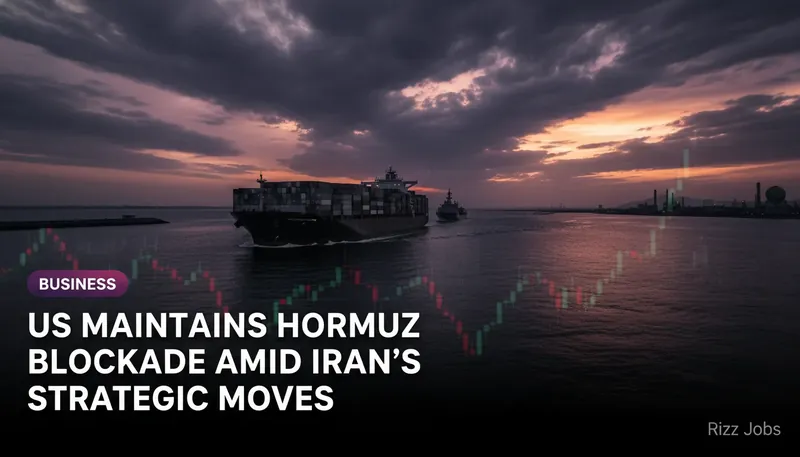
US Maintains Hormuz Blockade Amid Iran's Strategic Moves
Rizz Jobs News Desk··2 min read
Market Briefing
- US President Trump confirms the Hormuz naval blockade will continue, highlighting ongoing US-Iran tensions.
- This move could impact global oil prices, affecting India's energy imports.
Share this story
Topics
US-Iran tensionsHormuz blockadeglobal oil pricesenergy importsgeopolitical impact
Stay Informed
India's financial news, delivered daily.
Finance, markets, economy and startup updates — straight to your inbox.
Subscribe Free →

