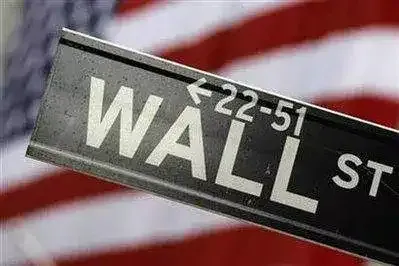
In a remarkable turn of events, U.S. stocks soared to record highs as a softer-than-expected jobs report eased concerns about potential interest rate hikes. The unemployment rate fell to 4.1% in July from 4.2% in June, driven by workers exiting the labor force, while market expectations for a Federal Reserve rate hike dropped significantly.
Previously reported job gains for the prior two months were revised sharply lower, contributing to the decline in rate hike expectations. Market anticipation for a rate hike at the next Federal Reserve meeting fell to about 44%, down from 55% in the previous session and 67% a week ago. Additionally, signs of progress in a potential peace deal in the Iran war have helped cool oil prices, easing inflation worries and pushing Treasury yields lower.
A robust earnings season has further bolstered investor confidence, with 85.1% of the 436 S&P 500 companies reporting results surpassing analyst expectations, according to LSEG data. This strong performance has mitigated concerns about the extensive spending by AI-related companies, driving major indexes to their largest weekly percentage gains since mid-April.
“You probably have to lower rates to kind of stimulate job growth, but if you lower rates, you're going to also stimulate inflation. So you're kind of in a pickle at this point, and yet the market's just taken off because earnings have been stellar.”
Tom Siomades, Chief Market Economist at AE Wealth Management
The S&P 500 gained 46.48 points, or 0.60%, to close at 7,756.44 points, while the Nasdaq Composite rose 338.81 points, or 1.29%, to 26,690.62. The Dow Jones Industrial Average increased by 151.33 points, or 0.28%, to 54,036.43. Notable stock movements included SpaceX surging post-share lockup expiry, Atlassian and Microchip Tech rising on strong revenue forecasts, and Airbnb outperforming on the S&P 500 after exceeding second-quarter revenue estimates.
Under the leadership of new Fed Chair Kevin Warsh, the U.S. central bank has provided limited forward guidance on monetary policy, prompting investors to closely monitor economic data and commentary from policymakers.
“The market should be reacting to weak job numbers and higher inflation and the possibility of a slow-growth economy that may need to have rates raised rather than cut, and yet it's not. We're setting records, so go figure.”
Tom Siomades, Chief Market Economist at AE Wealth Management
Background
The recent stock market rally comes amid a complex economic backdrop where investors are balancing the implications of job growth, inflation, and interest rates. The Federal Reserve's cautious approach under Kevin Warsh has left market participants relying heavily on economic data to anticipate future policy moves.
With the earnings season nearing its conclusion, market participants will be keenly watching for further economic indicators and Fed communications to gauge future monetary policy directions. The interplay between job growth, inflation, and interest rates remains a critical focus for investors.