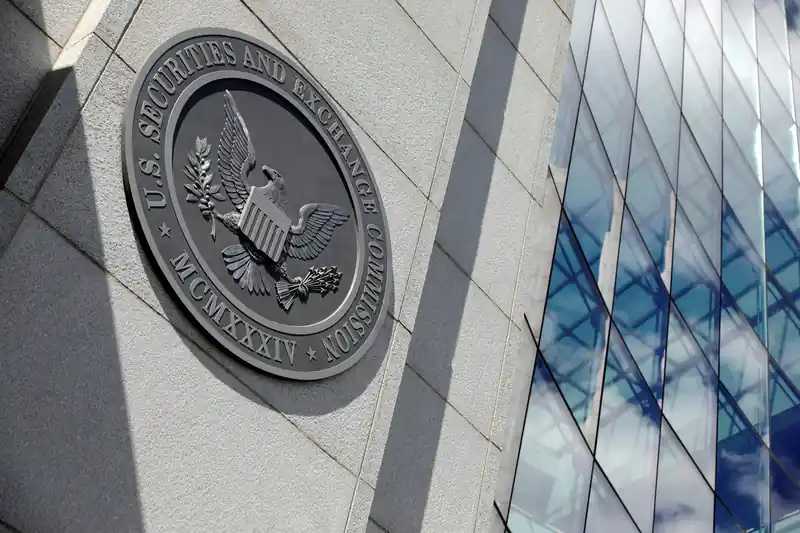
The US Supreme Court has unanimously upheld the Securities and Exchange Commission's (SEC) authority to demand disgorgement of ill-gotten gains, affirming a lower court's decision. The 9-0 ruling supports the SEC's power to reclaim over $3 million from Ongkaruck Sripetch, who was involved in a financial fraud case in California.
The case centered on whether the SEC must demonstrate that victims suffered economic harm before seeking disgorgement. The court ruled that the SEC is not required to show such harm, reinforcing the agency's broad interpretation of its powers. Sripetch, who admitted to violating securities law, was previously sentenced to 21 months in prison for his involvement in a pump-and-dump scheme.
Under the Trump administration, the SEC used disgorgement to recover approximately $1.4 billion in fiscal 2025. In contrast, the agency secured $6.1 billion in disgorgement under President Joe Biden in the previous year. The SEC's 2025 figure excludes certain repayments and an $8 billion settlement related to a Ponzi scheme.
The Supreme Court's decision follows a 2024 ruling that limited the SEC's in-house enforcement powers, requiring jury trials for fraud penalties. This latest ruling confirms the SEC's ability to pursue disgorgement without proving direct financial harm to investors.
The SEC's disgorgement authority is a critical tool in its enforcement arsenal, allowing it to deter financial misconduct and protect investors. This ruling solidifies the agency's ability to pursue financial penalties effectively.
Background
The SEC's disgorgement authority has long been recognized by courts and was enshrined in federal law by Congress. This ruling comes after a 2024 Supreme Court decision that curtailed the SEC's in-house enforcement capabilities, emphasizing the importance of jury trials for fraud cases.
Looking ahead, the SEC is expected to continue leveraging its disgorgement powers to combat financial fraud. Observers will be watching how this decision influences future enforcement actions and the agency's overall approach to securities regulation.